Buying a home is a significant decision that requires careful planning, financial preparation, and proper verification. From selecting the right location to completing the registration process, every stage plays an important role in helping you make an informed purchase.
For homebuyers who prefer to inspect a completed property before purchasing, a ready-to-move villa offers the opportunity to evaluate the actual layout, construction finishes, and surrounding environment before making a commitment. However, the property’s completion status, legal documents, and availability should always be verified before proceeding.
If you are exploring premium gated villas in Malappuram, understanding the home-buying process can help you compare properties and choose a home that suits your family’s requirements.
Here is a practical guide to what you can expect, from your first site visit to the final handover.
1. Identify Your Home Requirements
Before scheduling a site visit, identify the features that matter most to your family. This will help you shortlist properties that meet your requirements rather than focusing only on appearance.
Consider the following factors:
- Villa configuration: Decide whether a 3 BHK, 4 BHK, or 5 BHK home suits your family.
- Living space: Evaluate bedroom sizes, kitchen layout, storage, parking, and outdoor areas.
- Location: Consider your daily travel requirements and access to schools, hospitals, shops, and workplaces.
- Budget: Account for the purchase price, registration expenses, interiors, and ongoing maintenance.
- Future requirements: Think about family expansion, accessibility, and long-term living plans.
If you are considering D’Homz villa projects in Malappuram, review the available project details and configurations before arranging a visit. Confirm which villas are currently available and whether they are ready for occupancy.
A clear list of priorities will make it easier to compare properties and narrow down your options.
2.Schedule a Site Visit
A site visit is one of the most important steps when buying a completed villa. Photographs and floor plans provide an initial understanding of a property, but visiting in person allows you to assess its actual condition and suitability.
During your visit, pay attention to the following areas.
Room layout and usable space: Check whether the bedrooms, kitchen, living room, bathrooms, and circulation areas suit your family’s daily routine.
Construction finishes: Inspect the flooring, doors, windows, wall finishes, fittings, and visible workmanship. Ask about construction specifications and available warranties.
Natural light and ventilation: Observe how daylight enters the rooms and whether the spaces receive adequate ventilation.
Road access and surroundings: Assess the approach road, accessibility, neighbourhood conditions, and proximity to essential services.
Community facilities: If the villa is within a gated development, confirm which amenities are included, which are shared, and whether any additional charges apply.
At D’Homz, prospective buyers can explore the company’s listed residential projects to understand their locations and available features. Before visiting, contact the team to confirm the specific villa’s status and arrange an appointment.
You can begin by exploring the official D’Homz website.
3.Evaluate the Property and Its Surroundings
After shortlisting a villa, inspect the property more thoroughly. A home should meet your practical needs as well as your aesthetic preferences.
Check the condition and operation of:
- Electrical switches, sockets, lighting, and distribution boards.
- Plumbing fixtures, taps, drainage, and water supply.
- Doors, windows, locks, and ventilation openings.
- Kitchen fittings, sanitary fixtures, and other installed equipment.
- Roofs, ceilings, walls, flooring, and visible waterproofing concerns.
Ask the developer about water availability, sewage or drainage arrangements, waste management, common-area maintenance, security provisions, and any recurring community charges.
Location is equally important when comparing top residential villas in Malappuram. For properties in Manjeri and Perinthalmanna, assess the actual travel distance to the places your family visits regularly rather than relying only on general location descriptions.
If possible, revisit the property at a different time of day. This can help you understand traffic conditions, surrounding activity, noise levels, and access to essential facilities.
For a more detailed comparison, explore D’Homz villas in Perinthalmanna and review the information available for the relevant project.
4. Understand the Total Cost and Payment Terms
Before booking a villa, request a written breakdown of the total purchase cost. The advertised price may not include every expense associated with acquiring and preparing the property.
Depending on the transaction, your budget may need to account for:
- The agreed property purchase price.
- Applicable stamp duty and registration fees.
- Legal consultation and documentation expenses.
- Home loan processing and other lender charges, where applicable.
- Maintenance deposits or community charges, if applicable.
- Interior work, furnishings, utility connections, and moving expenses.
For current property valuation and registration-related information, consult the Kerala Registration Department. Actual charges depend on the applicable rules and details of the transaction, so verify the amount before finalising your budget.
If you intend to use a home loan, check your eligibility, required documents, loan terms, and disbursement process with the lender.
Before paying a booking amount, carefully review the payment schedule, cancellation terms, refund conditions, possession commitments, and any other contractual obligations.
Request receipts for payments and retain copies of all signed agreements. A clearly documented transaction helps you understand your financial commitments and reduces the risk of disputes.
5. Verify the Legal Documents
Legal verification is essential when buying a villa, including one advertised as ready to move into. A completed building does not, by itself, establish that every aspect of its ownership, approvals, or regulatory compliance is in order.
Ask a qualified property lawyer to review the documents relevant to the particular property. These may include:
Title deed and ownership records: Verify the seller’s ownership and the legal basis for transferring the property.
Encumbrance certificate: Review the relevant registration records for disclosed registered transactions or encumbrances. An encumbrance certificate should not be treated as a substitute for a complete title investigation.
Approved building plan and permits: Confirm that the applicable building approvals and permits are in place and that the construction corresponds with the approved plans.
Completion or occupancy documentation: Check which completion or occupancy certificates are required and applicable to the property under the relevant regulations.
Land and property tax records: Verify the relevant tax receipts, land details, and other supporting records.
Sale agreement and sale deed: Ensure the property description, agreed consideration, payment terms, obligations, and transfer conditions are accurate.
Project registration details: Where applicable, check the project’s registration status and disclosures through the official regulatory portal.
The Kerala Real Estate Regulatory Authority (K-RERA) provides a project search facility that allows buyers to examine registered real estate projects and available project information. Under the Real Estate (Regulation and Development) Act, 2016, registration requirements are subject to the applicable provisions and exemptions.
You can also review the official Real Estate (Regulation and Development) Act, 2016 for the legal framework governing covered real estate projects.
Important: The documents required can vary according to the property’s ownership structure, approvals, and legal status. Independent verification by a qualified legal professional is advisable before making the final payment or registering the sale deed.
Choosing among established villa developers may help you obtain project information and transaction support, but it does not replace independent legal verification.
6. Complete the Final Property Inspection
Before accepting possession, conduct a final walkthrough with the developer or seller. The purpose is to confirm that the villa is in the agreed condition and that the promised installations and fittings are present.
Use this checklist during the inspection:
- Test the lights, switches, sockets, and other accessible electrical fittings.
- Check taps, toilets, drainage, and visible plumbing connections.
- Open and close doors, windows, and locks.
- Inspect walls, ceilings, flooring, and other visible surfaces for damage.
- Confirm that the agreed fittings, fixtures, and inclusions are installed.
- Check that any previously identified defects have been addressed.
- Confirm the availability and condition of applicable utility connections.
If you notice defects, take photographs and prepare a written list. Discuss the required corrections with the developer or seller and document the agreed completion dates before accepting possession.
Also clarify the warranty coverage, the process for reporting defects, and the responsibilities of the developer, seller, and homeowner after handover.
For a more comprehensive inspection, consider engaging an independent building professional, especially if you notice signs of dampness, leakage, cracking, or other potentially significant defects.
7. Complete Registration and Handover
Once the property checks and legal verification are satisfactory, the transaction can proceed to registration and possession in accordance with the agreed terms and applicable law.
The process generally involves the following steps:
Finalise the sale documentation: Ensure that the sale deed accurately describes the property and reflects the agreed terms.
Complete the required payments: Settle the outstanding consideration and applicable charges according to the agreement.
Register the sale deed: Complete registration through the appropriate Sub-Registrar’s Office in accordance with the applicable procedure.
Collect the property documents: Obtain the registered deed and other documents, receipts, warranties, and records that are due to you.
Receive possession: Collect the keys and confirm the possession date, property condition, and handover arrangements in writing.
Understand ongoing responsibilities: Ask about utility accounts, community rules, maintenance arrangements, security procedures, and common-area charges where applicable.
The Kerala Registration Department’s official portal provides registration-related services and guidance.
Keep copies of the registered deed, payment records, approved plans, relevant certificates, warranties, and handover documents in a safe place. If any promised document is pending, obtain written confirmation of what remains outstanding and when it will be provided.
8. Prepare for Your Move
After completing the necessary purchase formalities and receiving possession, you can begin preparing your villa for everyday living.
A ready-to-move property allows you to plan furniture placement, organise interiors, and arrange household requirements based on the actual layout. However, the time at which you can move in depends on the property’s readiness, the completion of any agreed work, and the applicable possession arrangements.
Before moving, confirm that:
- Essential utility connections are available and functioning.
- Any agreed repairs have been completed.
- Furniture measurements and interior plans suit the available space.
- Keys, access arrangements, and security details have been handed over.
- Important legal documents, receipts, and warranties are safely stored.
- You understand any applicable community guidelines and maintenance procedures.
Planning these details in advance can make the transition into your new home more organised and comfortable.
Choose the Right Villa with D’Homz
Buying a villa involves more than selecting a property that looks attractive. It means evaluating the location, construction, legal documentation, total cost, and practical features that will influence your family’s everyday life.
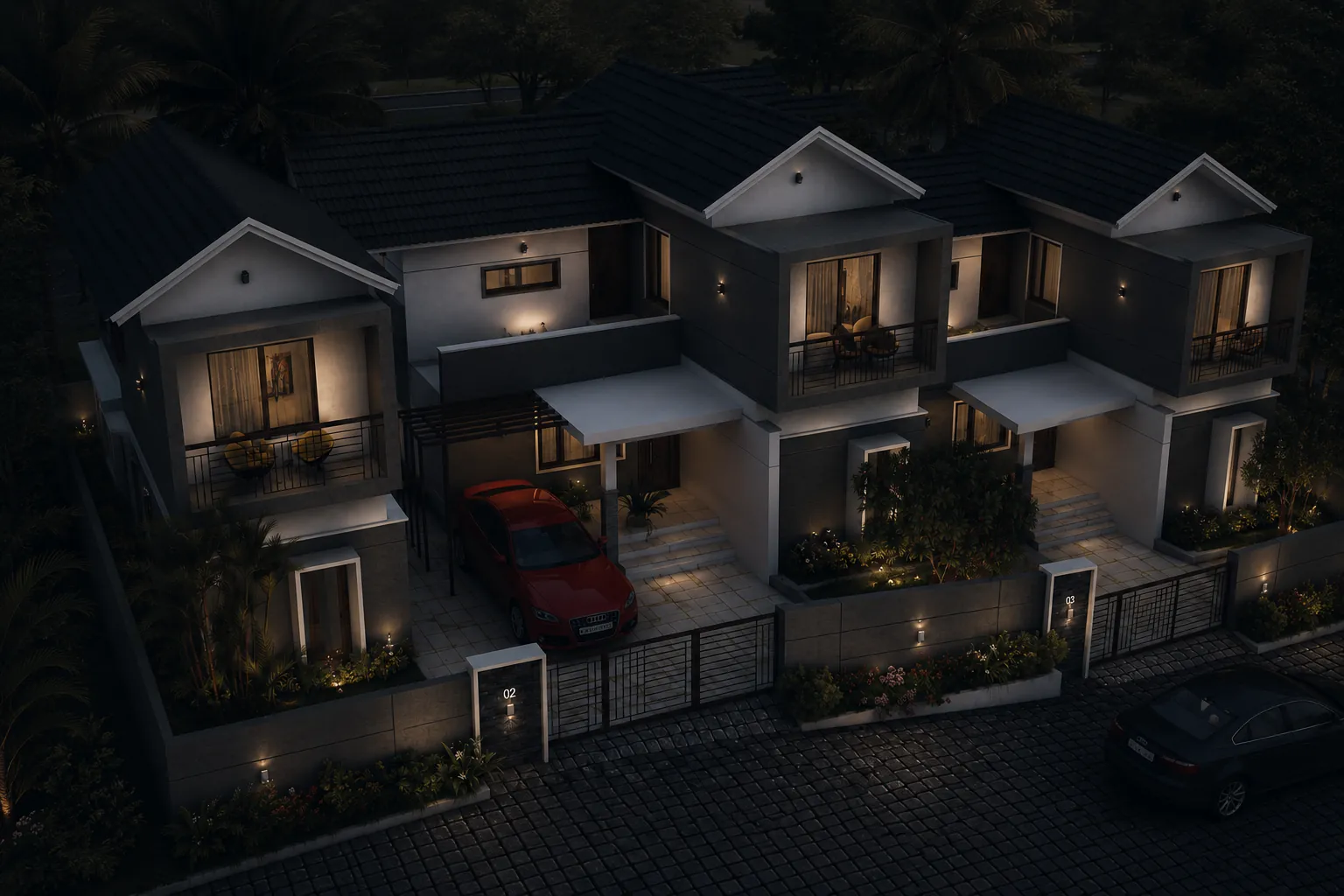
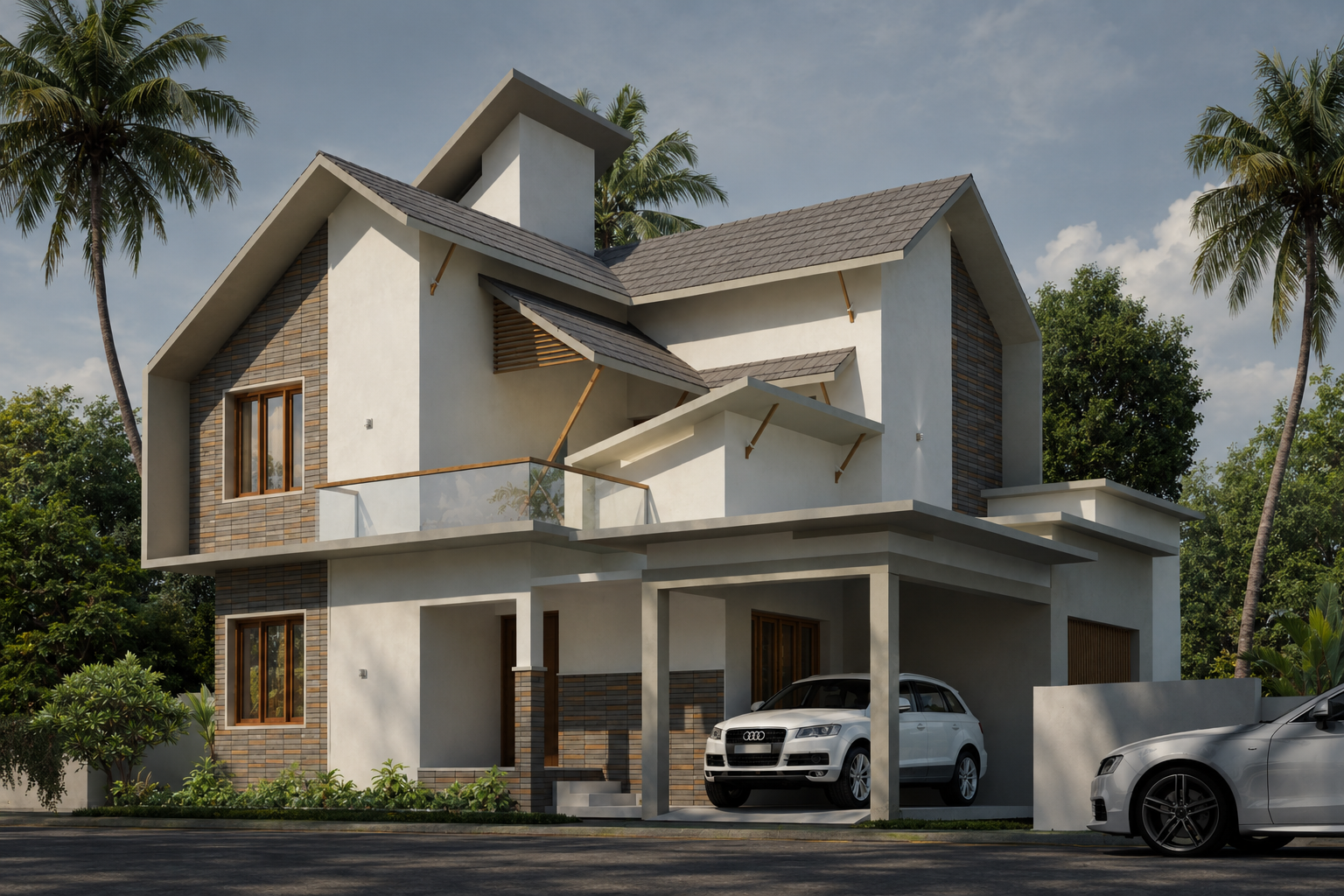
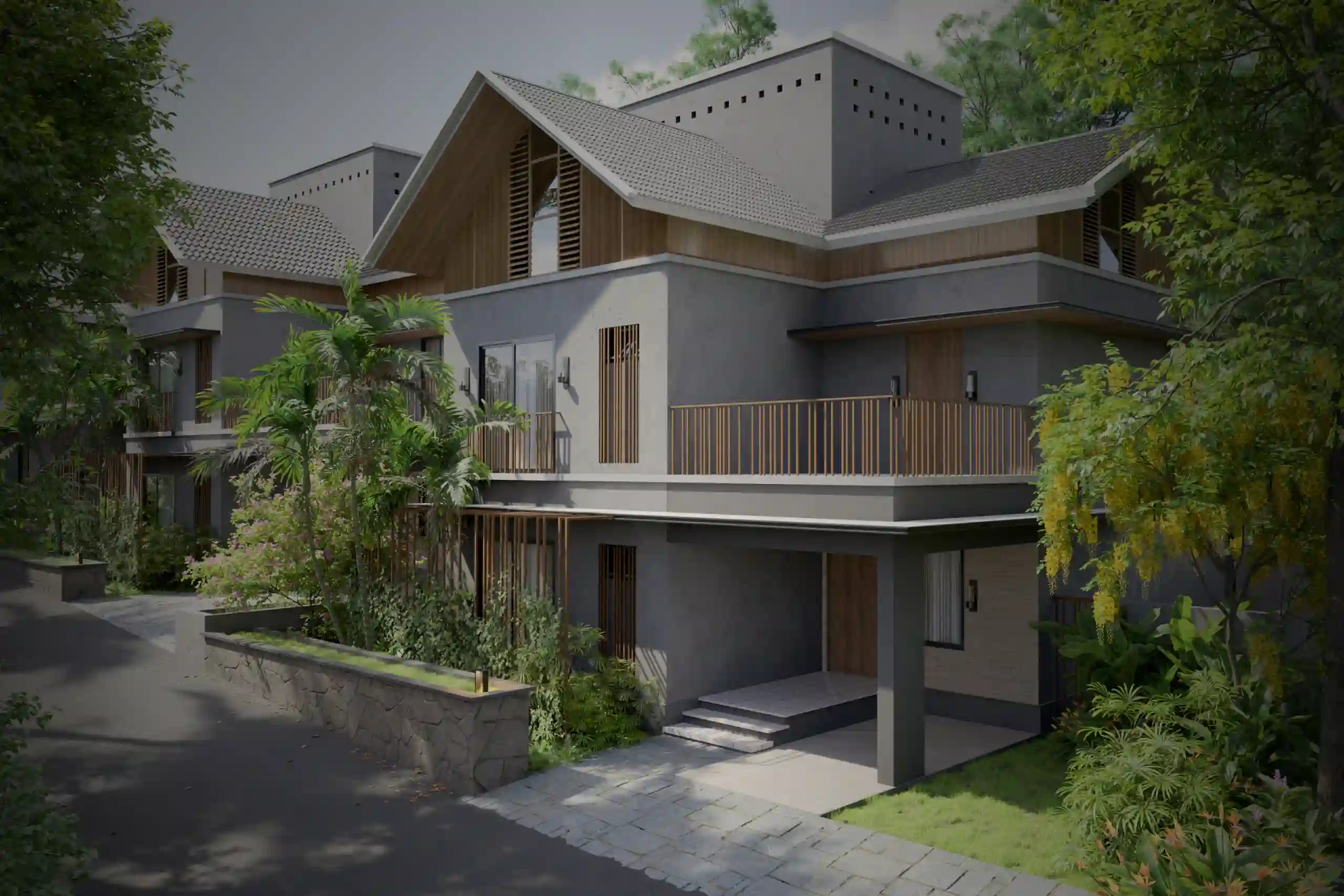
D’Homz showcases residential villa projects in Manjeri and Perinthalmanna, Malappuram. Buyers can explore the available project information, compare suitable configurations, and contact the company to enquire about individual properties.
Start by browsing the D’Homz residential projects or explore the dedicated page for villas in Perinthalmanna.
Whether you are looking for a family home or comparing premium gated villas in Malappuram, take the time to inspect the property, verify its documentation, and understand the purchase terms before making your decision.
Ready to explore your next home?
Contact D’Homz to enquire about current villa availability and schedule a site visit in Manjeri or Perinthalmanna.
Website: https://dhomz.com/
D’Homz — Make your next address a place to call home.
Frequently Asked Questions
1. What should I check before buying a ready-to-move villa in Malappuram?
Check the villa’s construction quality, layout, location, total cost, ownership documents, building approvals, and applicable completion or occupancy certificates before finalising the purchase.
2. What legal documents are required when buying a villa in Malappuram?
Important documents may include the title deed, encumbrance certificate, approved building plan, applicable permits, property tax records, and sale agreement. Consult a qualified property lawyer to verify the documents relevant to the property.
3. What additional costs should I consider when buying a villa in Malappuram?
Apart from the purchase price, budget for stamp duty, registration fees, legal expenses, loan processing charges, maintenance deposits, interior work, and utility connections, where applicable.
4. Where can I find premium gated villas in Malappuram?
You can explore residential villa projects in Manjeri and Perinthalmanna through D’Homz. Contact the team to confirm current availability, villa configurations, pricing, and site visit arrangements.
Walk through a Dhomz community in person
Every item on this checklist is something we'd encourage you to verify yourself — including at our own projects in Manjeri and Perinthalmanna. Come see what's actually built, not just planned.