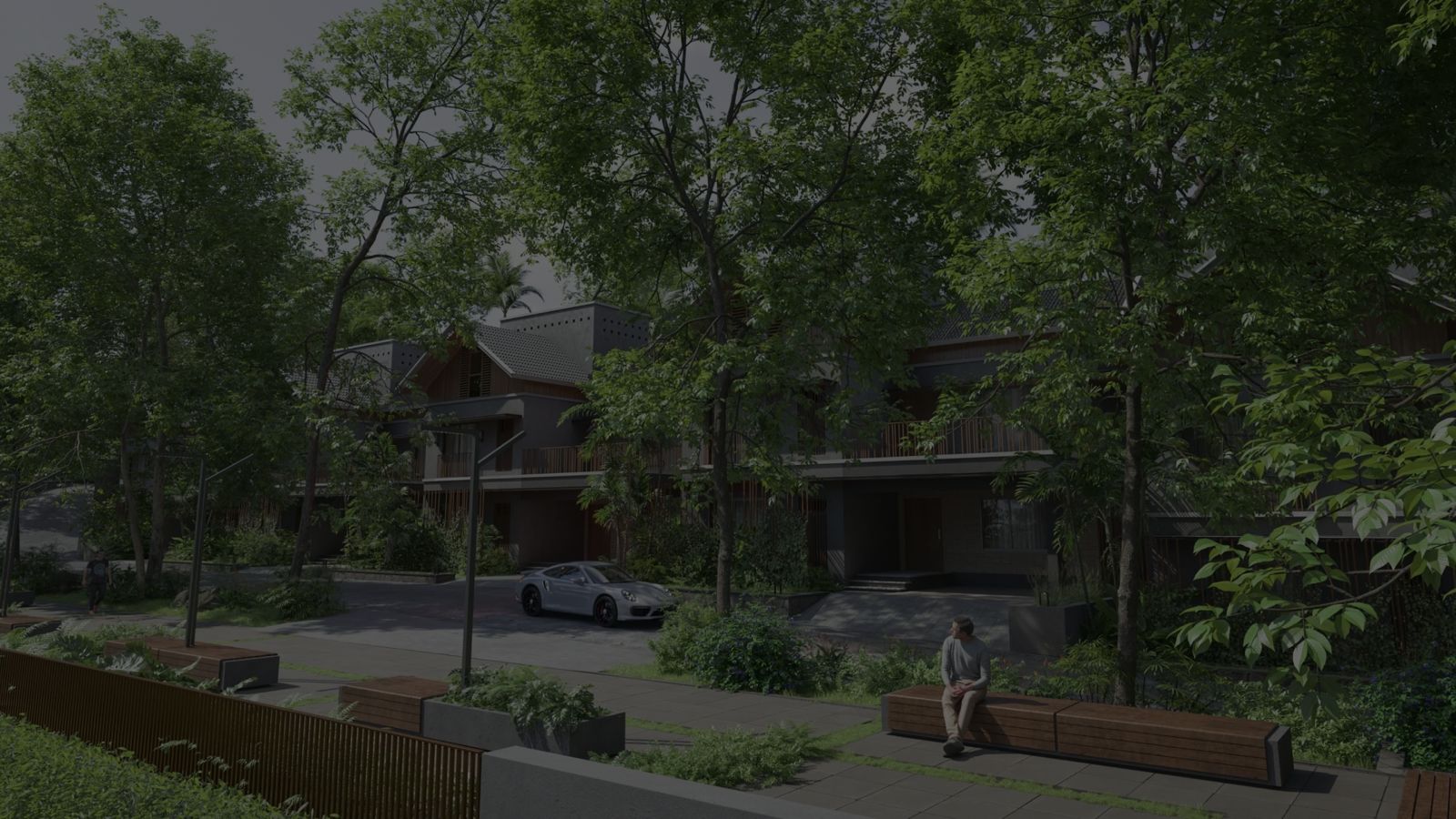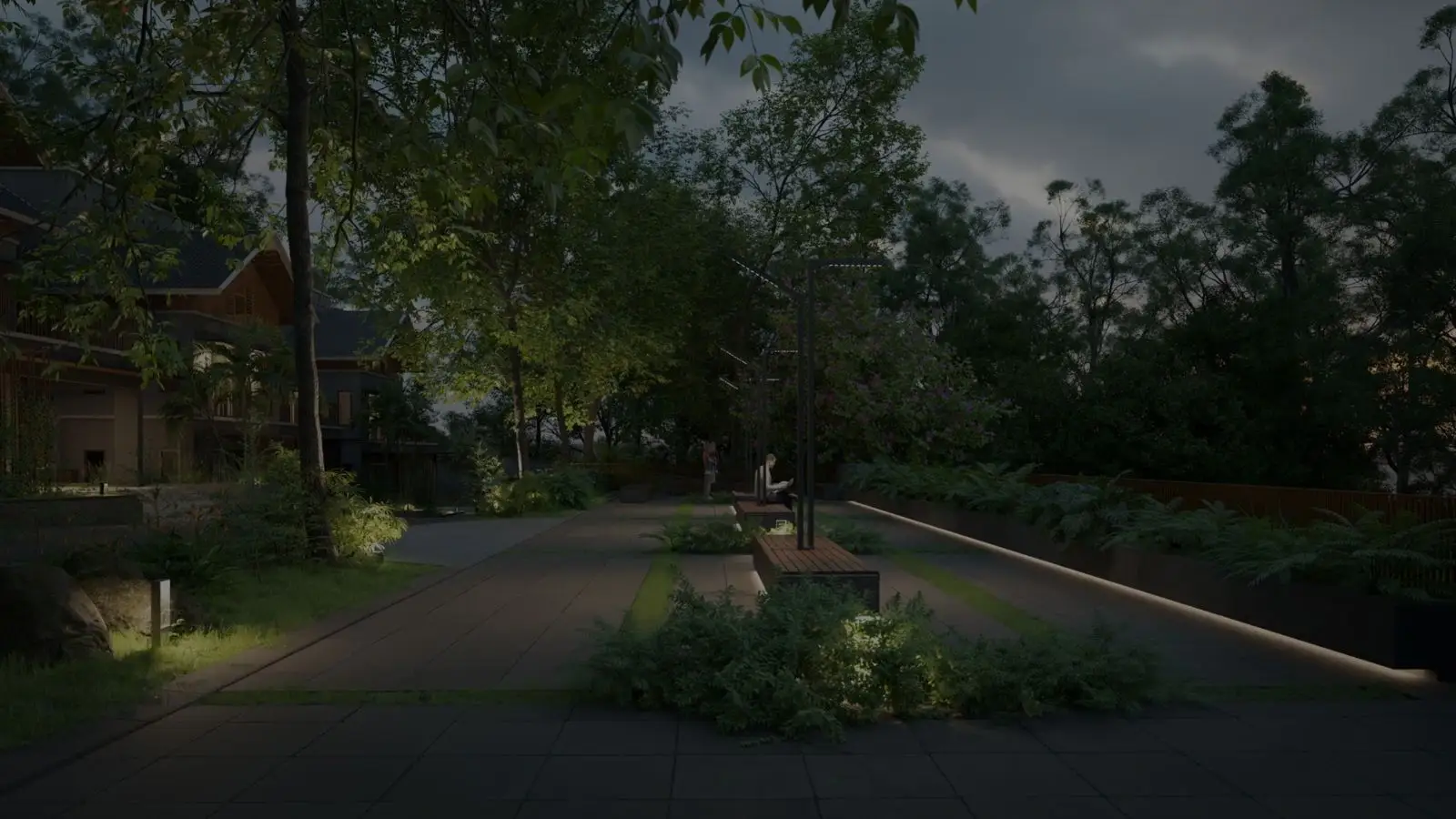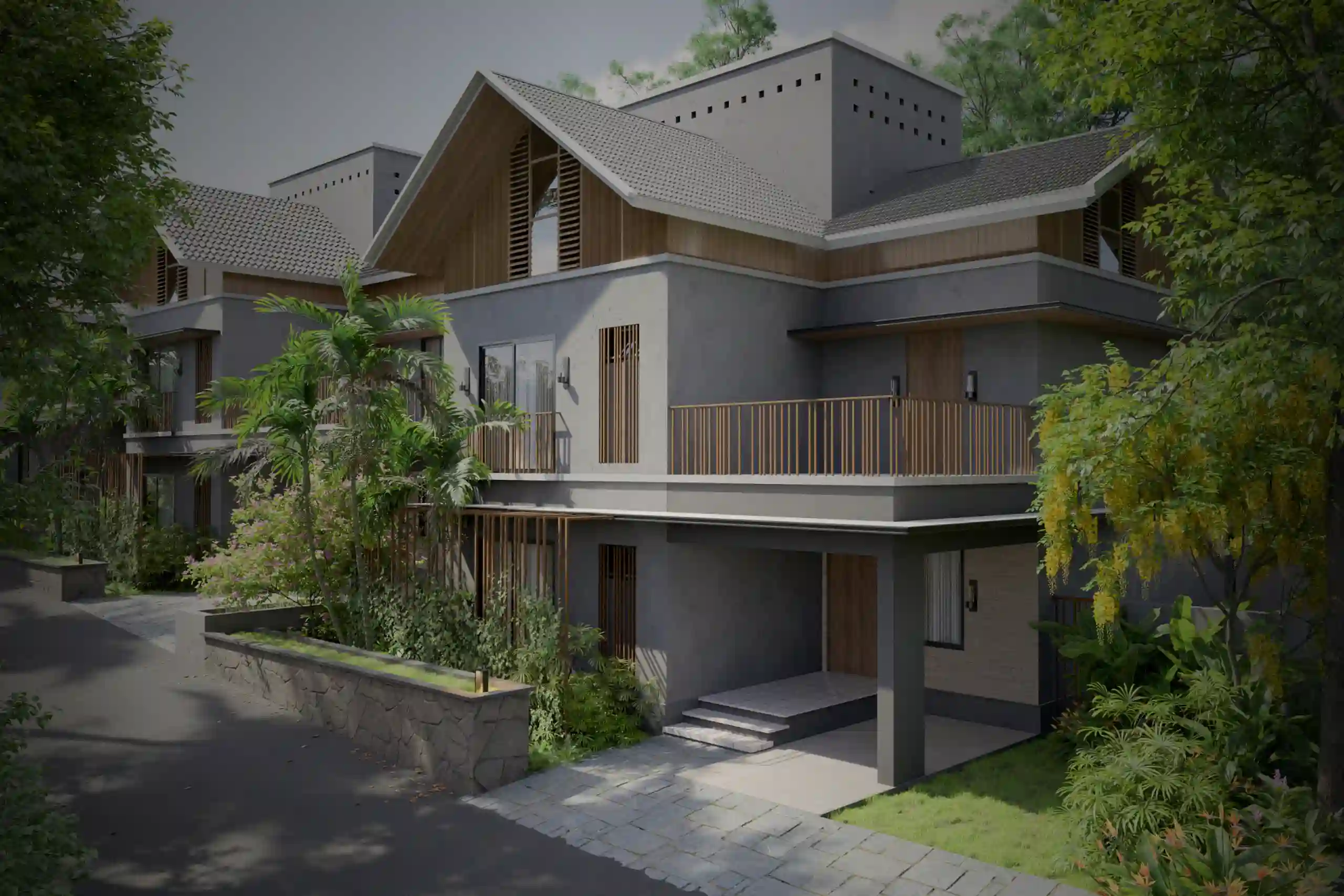
Clubhouses and swimming pools photograph well in brochures. The amenities that actually shape your daily life — and your resale value — are usually the quieter ones. Here’s what to check before you sign.
-6 amenity categories to evaluate
-20+ specific checklist items
-2027 ready standards to expect
“Gated community” has become a catch-all term in Kerala real estate listings, but the gap between a genuinely well-planned villa community and one that’s just a boundary wall and a security cabin is wide. The difference shows up years later — in your maintenance bills, your resale price, and whether the clubhouse still works.
This checklist is organised the way a buyer should actually evaluate a project: not by what looks good in a brochure, but by what you’ll depend on every single day.
Security & safety
What should actually be in place
This is the single biggest reason families choose gated communities over standalone plots, so it’s worth checking beyond the sales pitch.
- 24-hour manned security at the main gate
Not just a watchman — ask about shift patterns and whether logs are maintained
- CCTV coverage at entry/exit points and common areas
Ask how long footage is retained, and whether it’s monitored or just recorded
- Visitor management system
A logbook or app-based entry that tracks who enters and when
- Perimeter boundary wall with controlled access points
Check there’s no informal second entry that bypasses security
- Fire safety provisions
Hydrants or extinguishers in common areas, and a clear evacuation path
Everyday utilities
The unglamorous checks that save you money
These rarely make it into marketing brochures, but they’re what determine whether your monthly life is smooth or a series of small workarounds.
- Underground electrical and water lines
Cleaner streetscape and fewer outages than overhead cabling
- Backup power for common areas
Street lighting, lifts (if any), and security systems should stay functional during outages
- Dedicated water storage and supply system
Ask about source — borewell, municipal, or both — and storage capacity per villa
- Sewage treatment plant (STP)
A properly sized STP, not just a shared septic tank, matters for larger communities
- Solid waste segregation and collection
Ask whether segregated collection is actually enforced, not just signposted
Recreation & wellness
What’s worth paying maintenance fees for
Not every family will use every amenity — but shared spaces that are actually used regularly add real, ongoing value, unlike ones that exist only for the brochure photo.
- Clubhouse with multipurpose hall
Useful for functions, meetings, and festival celebrations within the community
- Landscaped gardens and walking paths
Genuinely used daily by most residents — worth prioritising over a pool most people visit rarely
- Children’s play area
Check the equipment is age-appropriate and the surface is safe, not just decorative
- Indoor games or gym facility
A modest, well-maintained space beats an elaborate one that falls into disuse
- Swimming pool (if included)
Ask specifically about upkeep costs — pools are the amenity most likely to be neglected after handover
Family & community life
Amenities that matter more once you’ve moved in
- Senior citizen-friendly common areas
Ramps, seating, and shaded walking spaces — especially relevant for multi-generational households
- Dedicated parking per villa, plus visitor parking
A frequent source of disputes in poorly planned communities — check this is clearly allocated
- Pet-friendly common spaces
Increasingly asked about; worth confirming if it matters to your household
- Community events space or resident welfare association
An active RWA is a strong sign of a well-managed, socially connected community
Sustainability
What 2027-ready actually means
These features were “nice to have” a few years ago. Heading into 2027, they’re fast becoming baseline expectations — and they directly affect your long-term utility costs.
- Rainwater harvesting
Increasingly a regulatory requirement in Kerala, and genuinely useful given the state’s rainfall pattern
- Solar lighting for common areas
Reduces the community’s shared electricity bill, which comes out of your maintenance fee
- Native, low-maintenance landscaping
Keeps water usage and gardening costs down compared to high-maintenance ornamental planting
Maintenance & management
The question buyers forget to ask
A community is only as good as who runs it after the developer hands over the keys. This is worth as much diligence as the amenities list itself.
- Clear maintenance fee structure
Ask for the actual monthly or annual figure in writing, not a vague estimate
- Defined handover process to a resident welfare association
Ask when and how management transitions from developer to residents
- Facility management team on-site or on-call
For plumbing, electrical, and common-area upkeep — ask about response times
Quick reference checklist
Print this, or keep it open on your phone during site visits.
| Category | Ask about |
|---|---|
| Security | Gate staffing, CCTV retention, visitor logs |
| Utilities | Water source, STP capacity, backup power |
| Recreation | What’s actually used vs. what’s photogenic |
| Family spaces | Parking allocation, senior-friendly access |
| Sustainability | Rainwater harvesting, solar common lighting |
| Management | Maintenance fee in writing, RWA handover plan |
Frequently asked questions
What amenities matter most in a gated villa community?
Security infrastructure and reliable utilities — water supply, backup power, and sewage treatment — matter most day-to-day. Recreational amenities like clubhouses and pools add value, but only if they’re genuinely maintained after handover.
Is a swimming pool worth prioritising in a villa community?
Only if the maintenance plan is clear. Pools are the amenity most commonly neglected after a few years because upkeep costs are high relative to actual usage — ask specifically how it will be maintained before treating it as a deciding factor.
What should I ask about maintenance fees before buying?
Get the actual monthly or annual maintenance figure in writing, ask what it covers, and ask when management responsibility transfers from the developer to a resident welfare association.
Are rainwater harvesting and solar lighting common in Kerala villa communities?
They’re becoming standard rather than optional, partly due to regulatory requirements and partly because they reduce shared electricity and water costs that get passed on through maintenance fees.
Walk through a Dhomz community in person
Every item on this checklist is something we'd encourage you to verify yourself — including at our own projects in Manjeri and Perinthalmanna. Come see what's actually built, not just planned.